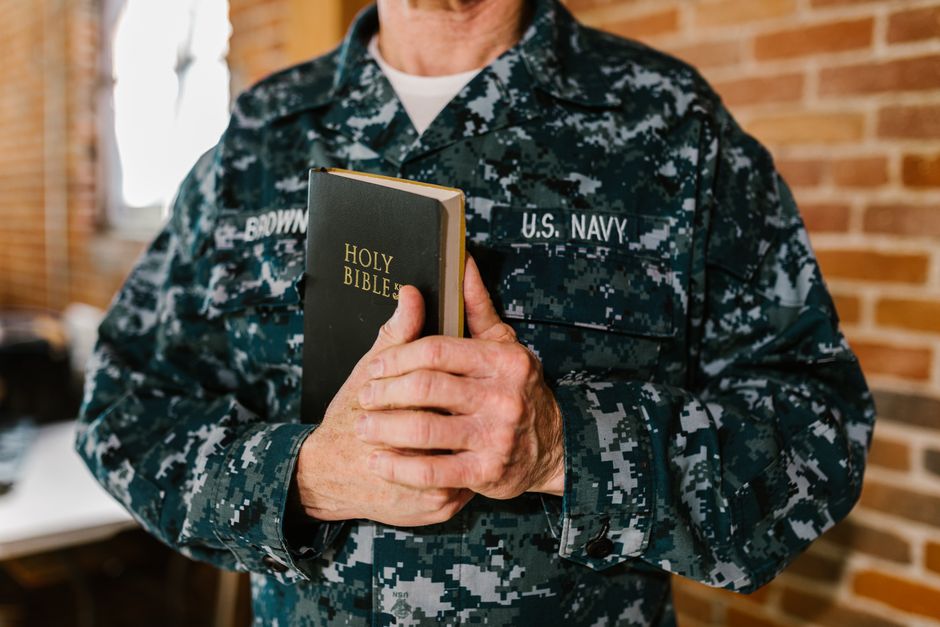


You know the difference between telling a young person what to do and actually equipping them to do it. If you’re working with at-risk youth, gang members, or kids caught in survival mode, you’ve seen the gap. Rules without roots don’t stick. But biblical life skills are different. They’re not just commands. They’re tools rooted in timeless spiritual principles that young people can actually apply when the pressure hits hardest.
This is where thugexposed.com comes in. The approach to biblical life skills for at-risk youth combines spiritual foundation with practical training that speaks directly to the streets while honoring God’s word. It’s not abstract theology. It’s deliverance training, integrity work, and generational healing designed for teens and young adults who’ve been failed by every other system.
At-risk youth are drowning in pressure. Gang life offers structure, money, and belonging. The streets offer survival logic. What they’re missing is purpose. Biblical life skills fill that void by teaching young people how to live with intention, integrity, and spiritual authority over their own choices.
The research is clear. Youth who receive structured mentoring combined with spiritual instruction show measurable improvements in behavior, decision-making, and long-term life outcomes. A study from the American Psychological Association confirms that adolescents with strong moral frameworks and mentoring relationships demonstrate lower rates of criminal involvement and higher rates of educational and employment success.
But here’s what makes biblical training different: it addresses the spiritual root, not just the behavioral symptom. You’re not just teaching kids to avoid gangs. You’re teaching them to walk in purpose, recognize demonic influence, break generational curses, and live as redeemed children of God. That’s transformational.
Effective biblical life skills training covers seven foundational areas:
These aren’t theoretical. They’re practical. When a young person learns self-control through spiritual discipline, they’re building the exact skills needed to walk away from a gang confrontation. When they learn stewardship, they’re learning how to build wealth legitimately instead of chasing quick money through crime.
Teaching biblical life skills to at-risk youth requires four critical components:
1. Teaching (Information): Direct instruction in scripture, biblical principles, and their practical applications. This gives youth the knowledge foundation they need.
2. Training (Skill-Building): Hands-on practice in applying these skills. Role-playing conflict scenarios, practicing honest communication, working through real decisions they face.
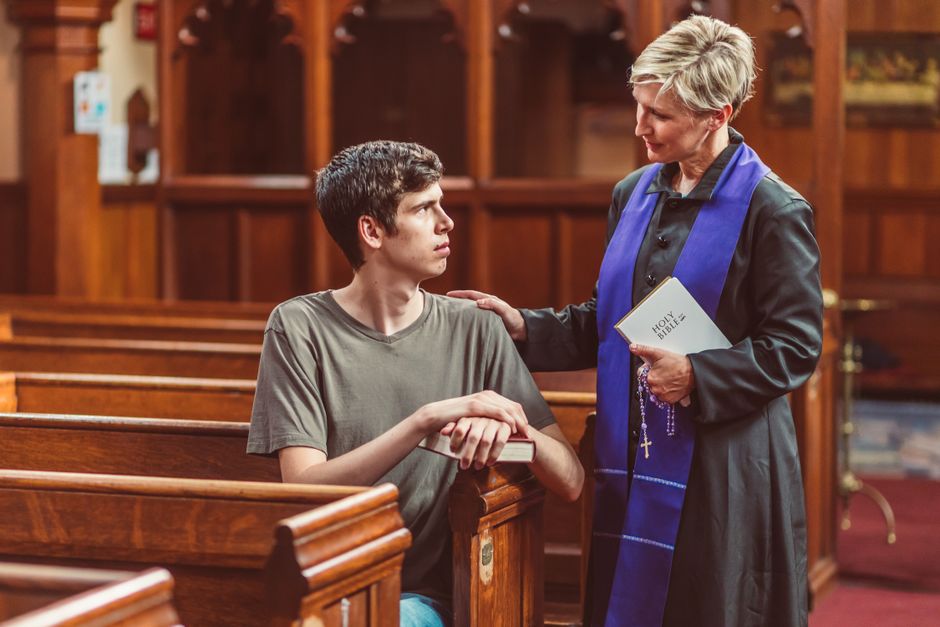
3. Mentoring (Relationship): One-on-one or small group guidance from someone who has credibility and walked a similar path. This is where transformation happens. Young people need to see the skills lived out by someone they respect.
4. Nurturing (Spiritual Care): Prayer counseling, deliverance support, and ongoing spiritual formation. This addresses the demonic and generational strongholds keeping youth trapped.
When you combine all four elements, you’re not just changing behavior. You’re breaking cycles. You’re creating pathways out of gang life and into purpose.

Youth who complete comprehensive biblical life skills training show measurable transformation:
These outcomes matter because they’re permanent. When a young person genuinely encounters Jesus and learns to live by biblical principles instead of street code, they’re not just avoiding crime. They’re building a new identity. They’re stepping into redemption.
The barrier for most youth isn’t willingness. It’s access. That’s why programs offering free or sliding-scale biblical life skills classes through community centers, churches, and correctional facilities are so critical.
Youth respond best when training is:
Organizations like thugexposed.com provide the training materials, prayer counseling, and deliverance resources needed to deliver this work effectively. Whether you’re training youth one-on-one, in group settings, or within correctional environments, having a trusted biblical framework and resources makes the difference between surface-level instruction and lasting transformation.
If you’re leading youth work, prison ministry, gang outreach, or family support, here’s how to start:
Step 1: Assess Needs Understand the specific pressures your youth face. Are they dealing with gang recruitment? Addiction? Family instability? Demonic influence? Generational trauma? Your training must address their real world.
Step 2: Choose Your Format Classes, mentoring groups, one-on-one coaching, audiobook study, or podcast-based learning. thugexposed.com offers multiple formats so you can reach youth where they are.
Step 3: Train Your Leaders The quality of mentors and trainers determines the quality of outcomes. Invest in leaders who can model biblical life skills and deliver deliverance-based training with spiritual authority.
Step 4: Create Accountability and Community Youth need peer support and ongoing accountability. Small groups, prayer circles, and consistent mentoring relationships keep young people engaged and growing.
Step 5: Measure Transformation Track behavioral changes, spiritual growth, employment outcomes, and freedom from addiction. Real transformation is visible.
Biblical life skills address the spiritual root of destructive behavior, not just the surface symptom. When a young person is caught in gang life or addiction, secular programs teach coping strategies. Biblical training teaches deliverance. It breaks generational curses, confronts demonic influence, and gives youth a new identity in Christ. That’s the difference between behavior modification and genuine transformation.
Absolutely. In fact, correctional settings are where this training often has the deepest impact. Incarcerated youth have time, desperation, and openness to spiritual truth. Training delivered through chaplaincy programs, small group studies, and prayer counseling creates transformation that carries forward into reentry. Many formerly incarcerated young people credit biblical life skills training with saving their lives and keeping them out of the system.
Spiritual change begins immediately when a young person surrenders to Jesus and commits to biblical principles. Behavioral and life pattern changes typically show within 3-6 months of consistent training and mentoring. Long-term freedom from cycles of gang involvement, addiction, and crime takes sustained commitment, usually 12-24 months of ongoing support. That’s why mentoring relationships are so critical.
The deeper the bondage, the more critical the spiritual component. Youth involved in serious criminal activity or gang leadership often need deliverance counseling alongside life skills training. This addresses demonic strongholds, breaks soul ties, and creates genuine spiritual freedom. Combined with mentoring and practical life skills, this foundation allows even the most at-risk youth to rebuild their identity and walk out of the system.